
When Sound Meets Light: Anatomy of ATOTAL
Written by: Edward Patrick Kranz
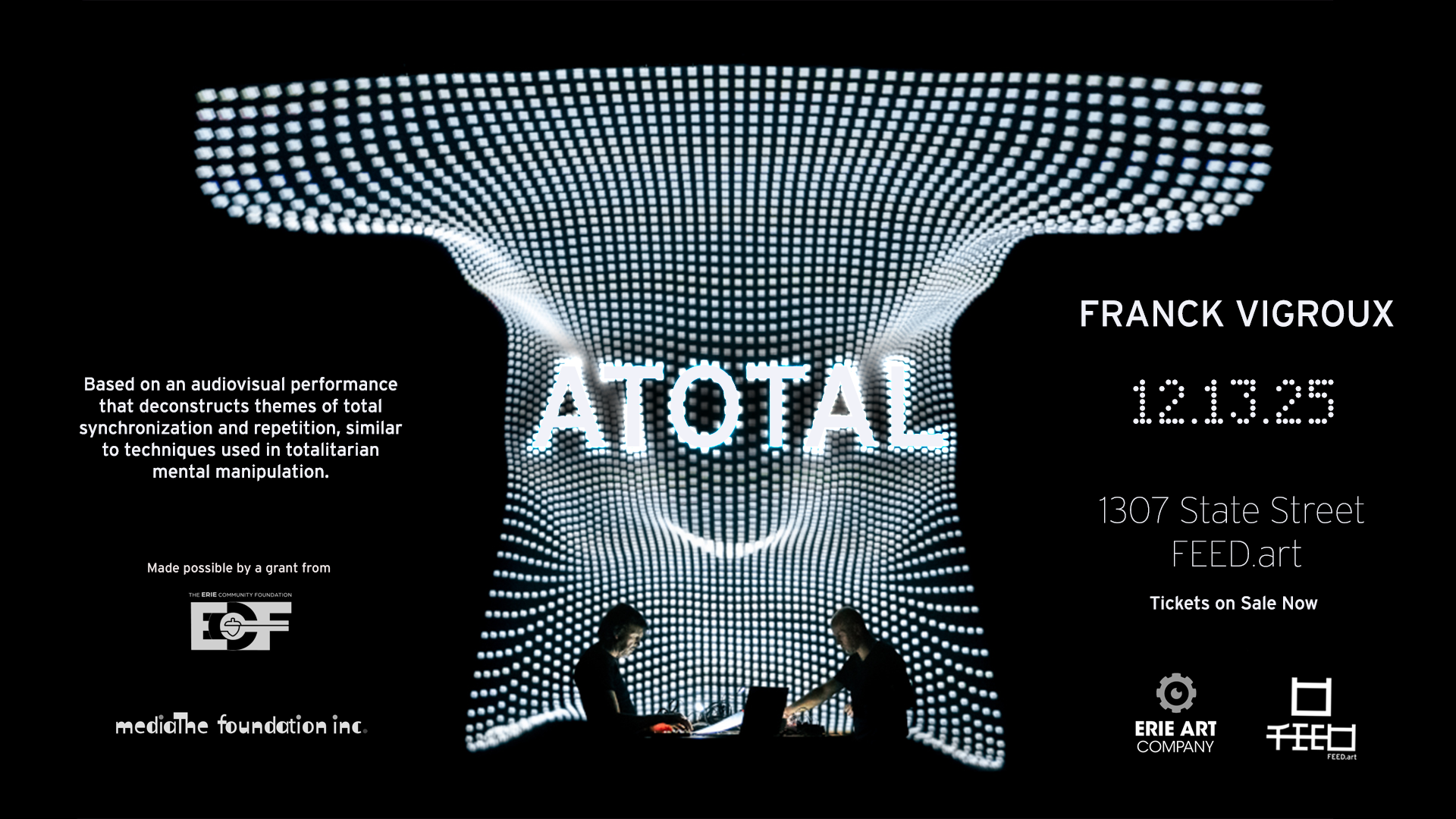
Totality is an illusion — what remains is the shimmer before it breaks.
This series has prepared you to enter the room on December 13. You have met the composer Franck Vigroux, whose language is pressure, friction, and silence. You have also met the unnamed visual architect through the idea of code that behaves. What remains is the actual mechanism. This article explains how the parts meet, why they meet this way, and how the meeting unravels in front of you. It is not a schematic, and it is not a press release. It is a translation from system to sense.
The goal is simple. When the lights dim at FEED, you will recognize the first moment of alignment, the first hairline slip, and the long slide that follows. You will know why those qualities matter. You will understand how a performance built from electricity and rules invites you to witness your own attention learning something new.
The simplest frame
ATOTAL begins with strict coordination. Sound and light share a nerve. The mapping is clean and immediate. Later, the link weakens on purpose. Small delays appear. Memory starts to interrupt obedience. The systems continue to share a space, but they no longer share a clock. The night moves from union to conversation, and finally to drift. The end is not a crash. The end is awareness.
This is the arc. If you hold onto that line, the rest of the detail will feel like evidence rather than complication.
What actually moves the image
The visual work is not a film. Nothing is played back. The image is a live organism built from rules. Thousands of entities live on a black field. Each has position, velocity, and a set of permissions. The code applies forces that make sense in a physical world. Things attract. Things repel. Things carry momentum. Things meet friction. Things remember.
The image listens to sound through a bridge that converts audio into signals that code can read. You can think of that bridge as a translator who simplifies speech without removing meaning. Peaks in energy become triggers. The shape of a note through time becomes a control for brightness or density. The balance of frequencies becomes a slow trend that steers the entire field. These translations are smoothed and scaled because raw sound is too jagged for clear motion. The goal is legibility, not spectacle.
The crucial choice sits inside the rules. The system is allowed to decide. It will never abandon the music, yet it will not remain a shadow. Early in the performance it acts like an excellent listener. Later it acts like an equal.
The music that gives the code something to believe
Franck Vigroux composes for the body. Sub frequencies live in the sternum. Midrange abrasion occupies the skull. High bands trace the limit before pain. None of it exists to punish. All of it exists to clarify structure. The soundstage is built like architecture. Load-bearing tones hold the room steady. Ornaments do not exist. Everything either carries weight or remains outside the design.
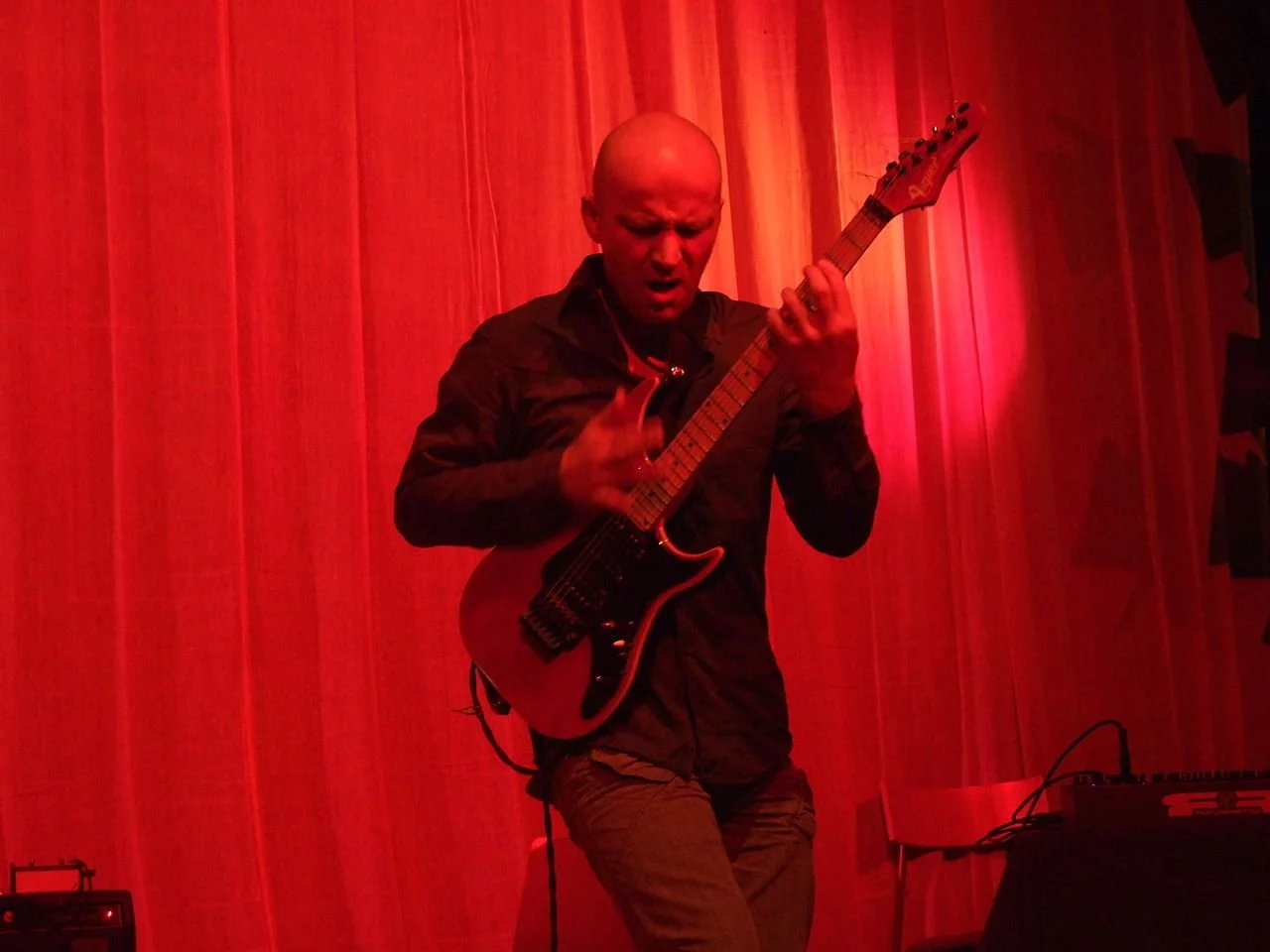
Because the sound is so deliberate, the image can afford silence in motion. A small change in sonic energy produces a small but readable shift in the field.
There is no need to flood the screen. You can let your eye rest and still remain in the piece. This restraint is not minimalism. It is respect for perception.
FEED as instrument, not location
ATOTAL needs a room that behaves like an instrument. FEED’s black-box gallery is intimate enough to draw people into a single breath and precise enough to reveal timing. The projection wall fills your peripheral vision without distortion. The floor eats stray light. The PA holds both a whisper and an impact without collapsing into mush. Even the quiet feels dense. In this space, tiny delays become visible. A tenth of a second reads as intention rather than error. The building supports the thesis instead of fighting it.
Arrive early. Sit for five minutes with no screen content and no sound. Let your eyes adjust to the black and your pulse settle. Your body will read micro-changes more easily after that small investment.
Synchronization as a decision
Unity at the start is not a promise. It is a ladder. The first minutes offer a lock so exact that you stop questioning the relationship. A low pulse causes a white flash. A rising tone brightens the field with surgical clarity. The nervous system resides in certainty. It senses a single machine. This is the ground of trust.
Then the first slip arrives. It is small. A flash lands late. A trace persists longer than its sound. A smear drags a memory into the present. The code has switched from obey to interpret. You reach for the lost lock and cannot quite get it back. The reaching is the event. The mind begins to work again.
This is the essence of A-total. Unity is created in order to be surrendered. The surrender returns judgment to the audience. Control without air can feel like propaganda. A measured gap lets the room think.
What “A-total” really declares
The hyphen is a refusal. The performance denies the comfort of a single, sealed whole. It creates totality so that it can be undone. Both halves of the title matter. Sound learns to meet light. Light learns to resist sound. The meeting is not a contract. The refusal is not a revolt. The work demonstrates how a shared project can end without failure. It holds two true things at once. We are together. We are not one.
That double shape lives in the culture around us. Devices sync people into a regulated beat. Systems optimize timelines for smoothness. ATOTAL is a rehearsal for a different social reflex. It asks you to sense separation without panic and to read misalignment without rage. That skill is civic as much as it is aesthetic.
A rehearsal without audience
In October I stood at the back of FEED while the team ran a technical pass. No crowd. No applause. Only cables, a console glow, and a large black wall waiting to receive a decision. The first tones carved the dimensions of the room. The image tracked with absolute precision. It felt like measuring with a ruler made of pressure.
Nine minutes into the run a series of onsets came through with no visible response. A second series arrived and again there was nothing. Then a slow brightening spread across the field. There was no matching swell in the music. The visual system carried something forward from the immediate past and laid it into the present. It chose memory over obedience.
The composer did not reach for correction. He let the image complete its thought. The next silence arrived a few minutes later. The image trembled for a breath and then settled into stillness. The pause felt charged. It did not read as emptiness. It read as risk contained.
I wrote a single line in my notebook. Trust the system to teach the room.
The bridge from physics to feeling
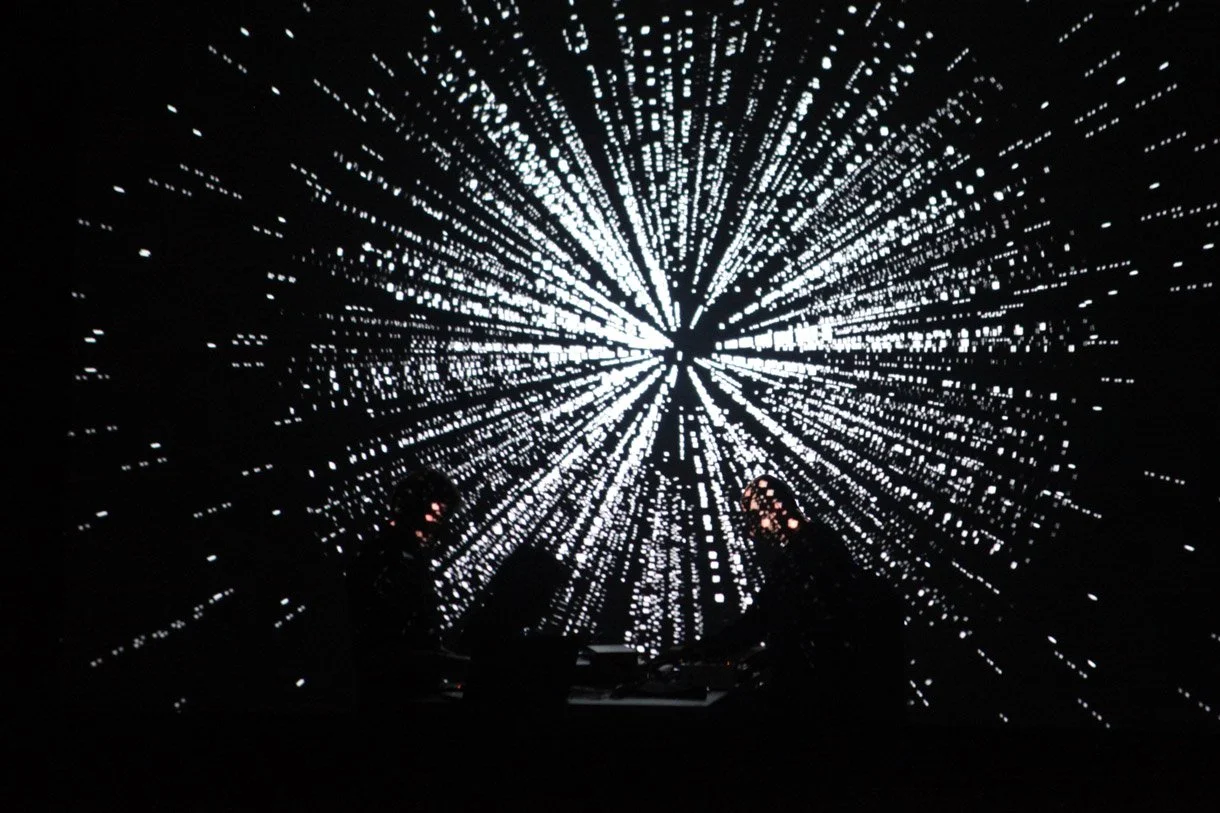
Technical language can make a live system sound colder than it is. Underneath the analysis lives a collection of simple gestures that the human eye understands. A streak that lingers teaches you about time. A cluster that tightens teaches you about force.
The bridge from physics to feeling
A wipe that erases carefully teaches you about intention. These are old lessons, not new ones. Painters, choreographers, and filmmakers work with the same bones. ATOTAL changes the material without changing the muscle.
What makes this bridge convincing is the calibration of latency. The pipeline holds to a predictable delay. That stability lets the delay itself function as an instrument. The visual architect treats time the way a percussionist treats rebound. The audience does not need vocabulary to feel it. They only need the room to remain honest.
Silence as an event, not a vacuum
Silence in ATOTAL is not a gap in programming. It is a content choice. When the music cuts energy entirely, the image does not disappear at once. Trails decay across the field. Residual motion draws a map of recent activity. You can watch forgetting in slow motion. This visible forgetting is generous. It gives the eyes something to do while the ears rest. It also reveals how hard your nervous system has been working.
If you find yourself in a full stop during the performance, resist the instinct to check your phone or your watch. Count to ten without looking away. You will notice more motion than you expect. You will also notice a room learning a new kind of quiet.
The ethics inside intensity
There is an obvious danger in work that has access to very bright light and very loud sound. Coercion is easy. The artists choose restraint. White fields arrive for clarity rather than aggression. Low frequency energy presses the body and then steps back. When discomfort appears, it functions in service of legibility. The effect is not to dare the audience. The effect is to make the small edges of perception visible.
This philosophy aligns with FEED’s curatorial practice. The center values rigor over shock. It trusts Erie’s audience to meet difficult work with patience rather than with posture. The room proves that trust correct.
How the eye can prepare to meet the system
There is no single right place to sit. If you want to read phase more clearly, choose a seat slightly off center. The shallow angle makes timing errors more legible. If you want to feel the field as a single surface, sit near the middle and lean back until your peripheral vision fills. Arrive early enough that your pupils dark-adapt. Let small reflections fall away. Decide in advance to give ten minutes to uncertainty. That pre-decision lowers your heart rate and opens your attention.
The piece will repay this simple preparation. You will notice the first late flash earlier than you expect. You will trust the long silence more quickly than you planned. You will exit the building with a new appetite for the near miss.
The long lineage, without the footnotes
ATOTAL belongs to a genealogy that treats behavior as content. Cybernetics taught art to value feedback. Concrete and kinetic practices taught images to tell the truth about their material. Electroacoustics taught composers to treat sound as matter rather than message. Live cinema taught screens to behave like time rather than like wallpaper. The work honors those histories without turning into citation. It moves the conversation forward by giving misalignment the lead role.
You do not need to know this map to feel the inheritance. It sits in the way a single point can carry the weight of a figure. It sits in the way a smear can read as a past rather than as a blur. It sits in the way a wipe can feel like an ethical choice rather than a visual trick.
Engineering that protects legibility
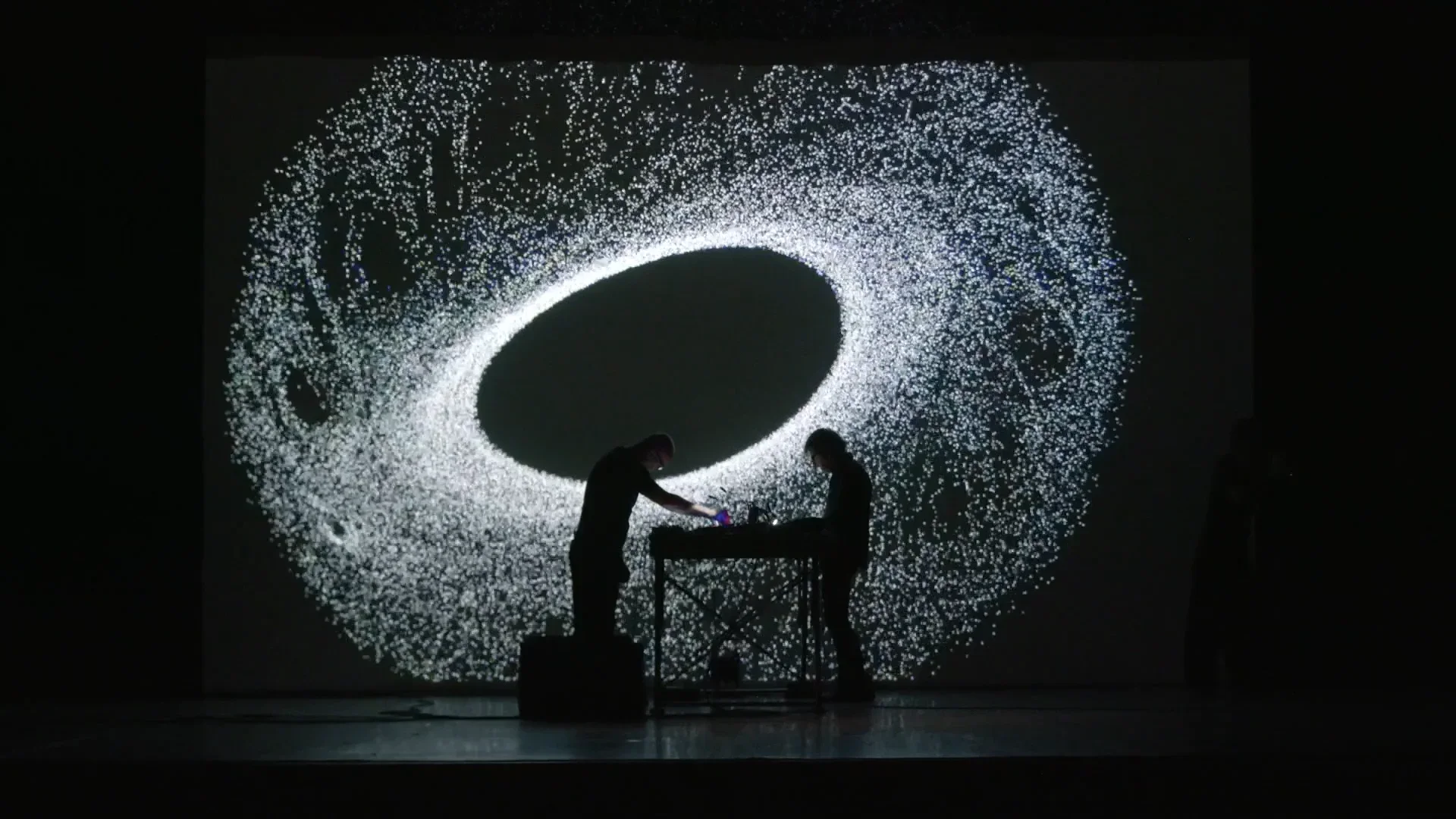
A live algorithm is a negotiation between freedom and care. The visual architect designs the engine so that risk becomes understandable rather than chaotic. Values are bounded so that runaway growth turns into texture instead of failure.
Random choices live inside ranges so that surprise arrives, but at human scale. Time is layered. A quick response carries impact. A slow moving average carries drift. Both are visible at once. The lag between audio event and visual response is kept stable even when it is not minimal, because a known delay is playable while an erratic one is noise.
All of these choices serve a single purpose. They help the audience read what is happening without being told. When you feel the system slip, you are feeling a design choice, not a glitch report.
The meaning of collaboration on these terms
The partnership between Franck Vigroux and the visual architect has matured into a specific ethic. The composer does not use light as ornament. The coder does not use sound as argument. Both accept the risk that the other will take the night in an unexpected direction. This is not deference. It is confidence. It is also a model for cooperation beyond the arts. Two systems can align for a task, separate for a reason, and meet again without a crisis of identity.
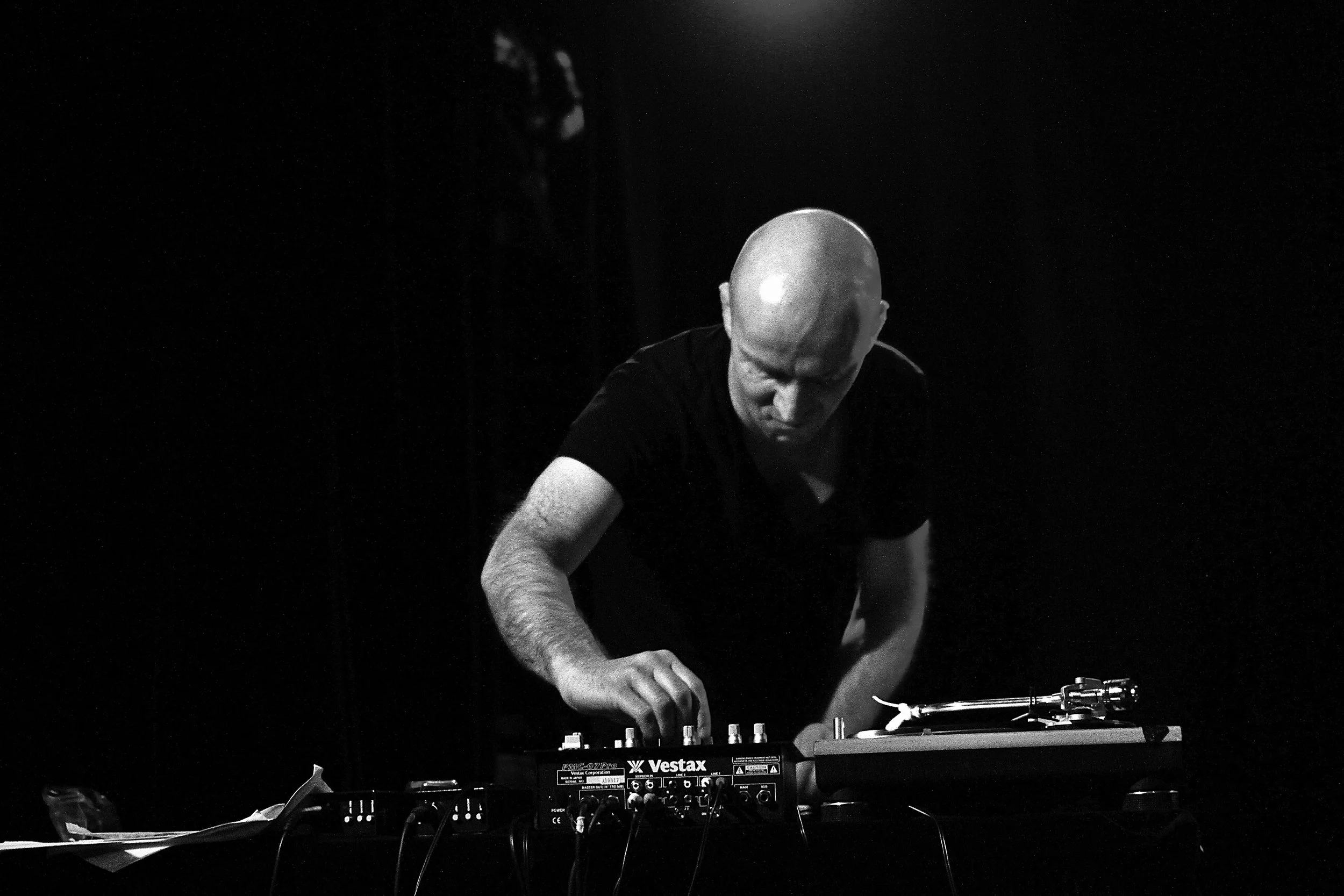
I have watched the small gestures that hold this ethic together. A hand hovers over a fader and does not move because the image is carrying an idea. A frame begins to smear into a spiral that will not complete. The musician waits for the spiral to declare itself, then decides whether to cut or to support. These are seconds that determine the feeling of the night, yet they are invisible from most seats. You can still sense their presence in the room.
What the audience actually does
People often ask what an audience can do inside a performance that is already set in motion by two artists and a machine. The answer is plain. The room listens. The room breathes. The room calibrates the scale of attention. That calibration is not symbolic. It affects how the system reads. Long silences are possible only when a group agrees to let them exist. A rapid cascade of bright events can land as an argument only when eyes remain steady enough to follow them. The audience is not a third author in a romantic sense. The audience is the air that gives shape to fire.
After the show, you will notice a specific mood on the sidewalk. People speak softly even when they are excited. Some laugh without finishing their thought. Others look at their hands and blink as if clearing an afterimage. The sound system has been turned off, yet the room seems to hum outside the building. That residue tells you that the performance has reached into perception rather than into preference.
A practical account of the title
People often read the title as a pun on “total art.” The more useful reading is structural. The performance begins by building something whole. It then demonstrates how the whole must let go to remain honest. This is not a story. It is a method. It critiques a habit in contemporary culture that confuses seamlessness with truth. ATOTAL refuses to lubricate. It invites you to feel the grit inside the gears and to recognize the learning that grit enables.
The hyphen is the smallest piece of punctuation that can hold this refusal. It breaks the word to keep meaning from sealing itself shut.
Why Erie matters at this exact moment
Erie’s network of partners, from FEED to Erie Arts & Culture to Erie Art Company, has created the conditions where a performance like this can land without apology. The scale is right. The audience base is curious rather than trend-driven. The production team knows how to tune a room until it reads like a sensitive instrument. ATOTAL does not require a capital. It requires intention. It requires a chamber that can hold risk and a community that can hold quiet.
That combination is rare. It is also the reason a global media-art project can feel local in the best way. The night will belong to this city without needing to announce that fact.
For makers who will try after the show
Every series like this brings new makers into the studio. If you walk out of the performance wanting to build your own system, start with fewer parts than you think you need. One behavior is enough for a week. Give it a quick response and a slow memory and see if it can hold your attention for sixty seconds. Only then add a second behavior. Only then add a bound so numbers cannot run away. Practice in silence. The visuals must stand when the audio drops. When you have everything working too well, add a single rule that allows a late action. That late action will feel like a breath. The room will feel it.
This is not a recipe. It is a way to protect legibility while giving surprise room to act.
For audiences who are new to this kind of night
You do not need the glossary to enjoy the piece. You will still benefit from a small posture change. Sit so that your shoulders are relaxed and your head can stay still. Choose a point in the lower left of the image and hold your gaze there for long enough to feel impatience. Then lift your eyes and scan the entire field. Repeat this once or twice. The alternation will reveal drift with more clarity. When synchronization fails, notice your own reflex to restore it. That reflex is part of the artwork. It will show you something about how you meet the world outside the gallery.
You may leave the building without a favorite moment to describe. That is fine. You will leave with a recalibrated sense of how long you can pay attention. That is better.
Success on December 14
There is a simple way to measure whether the night accomplished its work. If the room remains quiet during the long silence without a sign asking for it, the system has earned the audience’s trust.
Success on December 14
If people leave without rushing to raise their phones, the system has held the space long enough to adjust instinct. If a handful of new faces return the following week for a different event, the system has turned sensation into community. These are modest signals. They are also the ones that matter.
I judge nights like this by a humble metric. I ask myself how often I forgot to check the time. In good rooms, I never remember to look.
Closing: the shimmer before it breaks
ATOTAL will not offer a neat resolution. It will offer a meeting in which two disciplines find alignment, recognize their limits, and part without resentment. The letting go is the lesson. The value sits in the tiny gleam that appears just before the break. That shimmer is where your attention lives when it feels most alive. The work teaches you to find that state and to stay there longer than comfort would normally allow.
Totality is an illusion. The shimmer is real. Learn to notice it. Learn to trust it. The rest will follow.
A few practical notes before you go
The performance takes place on Sunday, December 14, at FEED Media Art Center, 1307 State Street. Plan to arrive early enough to find your seat and let your eyes settle. Choose a position that suits your intention. Off-center for timing. Center for Immersion. Bring a small notebook if you like, but leave it closed during the show. Your nervous system will do better work than your pen. When the night ends, step outside and stand still for a minute. Name three things you felt rather than three things you understood. That small habit will serve you the next time you meet a difficult work.
You are ready. The room will do the rest.